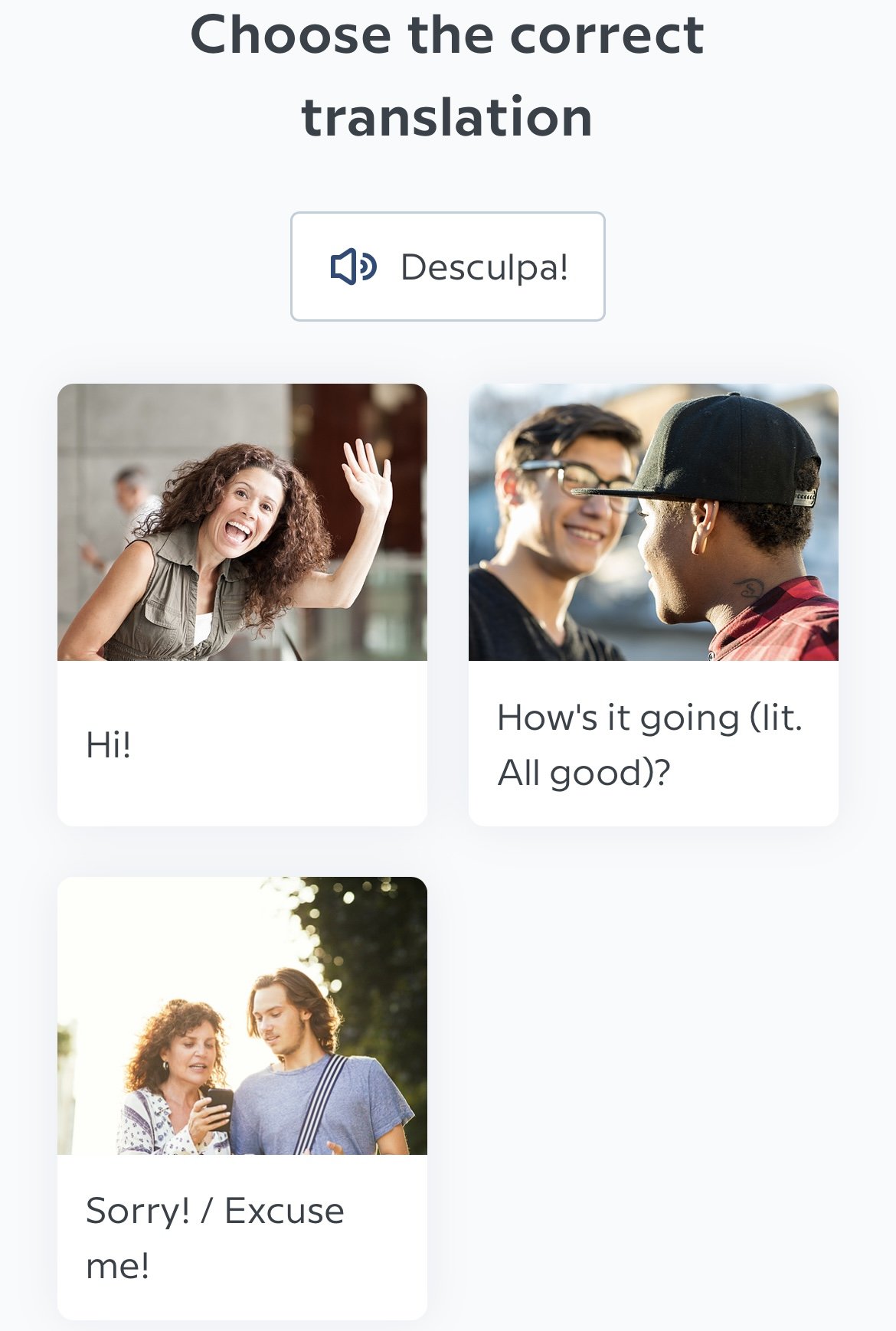
Choosing the right language learning app can feel like navigating a maze. With so many options promising fluency, how do you really cut through the noise and find the one that fits your goals and learning style? This guide dives deep into Babbel vs. Competitors (e.g., Duolingo, Rosetta Stone), helping you understand their unique approaches, strengths, and weaknesses so you can make an informed decision.
We've all been there: downloading an app with high hopes, only to abandon it a few weeks later. The key isn't just picking any app, but picking the right one for you. Let’s break down the titans of language learning.
At a Glance: Babbel, Duolingo, & Rosetta Stone
Before we dive into the nitty-gritty, here’s a quick overview of what sets these apps apart:
- Duolingo: The gamified champion. Best for casual learners, beginners, or those needing a fun, free introduction. Focuses on repetition and bite-sized lessons.
- Babbel: The conversational pragmatist. Ideal for serious beginners to intermediate learners who want to speak confidently in real-life situations and grasp grammar.
- Rosetta Stone: The immersive traditionalist. Suits learners committed to deep immersion, aiming for native-like pronunciation and cultural understanding, especially visual learners.
Why Bother Learning a Language in the First Place?
Beyond simply impressing friends or navigating a foreign menu, learning a new language rewires your brain, enhances cognitive skills, and opens up new cultural avenues. It’s an investment in yourself, your future travels, and your global understanding. But like any good investment, it requires the right tools and a strategy. That's where these apps come in. They’ve democratized language education, bringing it to your fingertips. The question then becomes: which finger, and for how long?
Meet the Contenders: A Closer Look at Each Platform
To truly compare these heavyweights, we need to understand what makes each one tick. They all aim to teach you a new language, but their philosophies couldn't be more different.
Babbel: The Conversational Workhorse
Imagine a language teacher who’s efficient, practical, and gets straight to the point – that’s Babbel in a nutshell. This app prides itself on delivering structured, real-world conversation skills.
What Babbel Does Well:
- Structured, Practical Lessons: Babbel's curriculum is designed with a clear path, focusing on dialogues and phrases you’d actually use. Lessons often start with a conversation, then break it down into grammar points and vocabulary.
- Emphasis on Conversational Skills: If your goal is to speak confidently, Babbel is a strong contender. It uses a blend of listening, speaking, reading, and writing exercises that build towards practical communication.
- Integrated Grammar: Unlike some competitors, Babbel doesn't shy away from grammar. It integrates concise, understandable grammar explanations right into the lessons, helping you grasp why sentences are constructed the way they are.
- Spaced Repetition System (SRS): Babbel uses daily 2-3 minute review sessions to help cement new vocabulary and phrases in your long-term memory. This smart recall system is highly effective for retention.
- Adult Learner Focused: The interface is clean, intuitive, and lacks the distracting gamification elements that some adult learners find tiresome. It feels mature and focused.
Where Babbel Could Improve: - Language Variety: Babbel offers 14 languages, primarily popular European ones. If you're looking to learn something less common, your options are limited.
- No Lifetime Access: You're committing to an ongoing subscription. While reasonably priced at around $12.95/month (with discounts for longer plans), the costs add up over time if you plan to learn for years. For a deeper dive into its value proposition, you might wonder, is Babbel worth buying?
- Limited Depth for Advanced Learners: While excellent for beginners and intermediate users, Babbel can start to feel less challenging as you approach advanced levels. It lacks content for true fluency beyond practical conversational mastery.
- Repetitive Exercises: While effective, some users might find the exercise formats become a bit repetitive over longer periods.
Ideal User for Babbel:
You're a serious beginner or intermediate learner who wants to speak a new language with confidence in everyday situations. You appreciate structured learning, explicit grammar explanations, and efficient review sessions, and you're willing to pay a subscription for a focused experience.
Duolingo: The Gamified Gateway
Duolingo is arguably the most recognizable name in language learning, primarily because of its free tier and addictive, game-like interface. It's language learning reimagined as a mobile game, complete with streaks, leaderboards, and a cute owl mascot, Duo.
What Duolingo Does Well:
- Gamified Learning & Engagement: Duolingo excels at making language learning fun and habit-forming. The bite-sized lessons (5-10 minutes), XP points, levels, and streaks are incredibly motivating for many users.
- Accessibility (Free Tier): The free, ad-supported version makes language learning available to everyone. This low barrier to entry is a massive advantage.
- Vast Language Selection: With over 40 languages, including constructed languages like High Valyrian and Klingon, Duolingo offers the widest variety of choices.
- Excellent for Beginners & Casual Learners: It's fantastic for getting your feet wet, learning basic vocabulary, and building a consistent daily habit. Travelers needing basic phrases will find it useful.
- Interactive & Modern UI: The app is colorful, playful, and easy to navigate, appealing to a broad demographic, especially younger learners.
Where Duolingo Could Improve: - Surface-Level Learning: While great for vocabulary and basic sentence structure, Duolingo's lessons can be surface-level. It often lacks in-depth grammar explanations, leaving learners to infer rules.
- Unnatural Language & Phrases: Some users report encountering peculiar or grammatically correct but contextually unnatural sentences that wouldn't typically be used in real conversation.
- Ad-Supported Free Tier Limitations: Frequent ads can interrupt the flow, and the free version has a "mistake cap," limiting how many errors you can make before being temporarily locked out of lessons.
- Limited Depth for Advanced Learners: Once you move beyond the basics, Duolingo's efficacy diminishes. It struggles to push learners towards true fluency or a deep understanding of complex nuances.
Ideal User for Duolingo:
You're an absolute beginner looking for a fun, free way to start learning a language. You thrive on gamification, want to build a consistent habit, and are primarily interested in basic vocabulary and phrases for travel or casual interest.
Rosetta Stone: The Immersion Innovator
Rosetta Stone has been a player in the language learning game for decades, predating apps with its CD-ROM courses. Its core philosophy, called Dynamic Immersion®, teaches a language much like a child learns their first: through visual and auditory cues, without direct translation.
What Rosetta Stone Does Well:
- True Immersion: By avoiding direct translations and relying on images, audio, and context, Rosetta Stone forces your brain to think in the new language. This mirrors natural language acquisition.
- Pronunciation Accuracy: Its highly accurate TruAccent™ speech recognition technology provides excellent, immediate feedback on your pronunciation, helping you sound more like a native speaker.
- Comprehensive & Detailed Courses: Rosetta Stone's programs are extensive, with around 20 units per language, each taking significant time to complete. This is a program for serious commitment.
- Cultural Understanding: The immersive approach naturally fosters a deeper connection to the culture behind the language, as you learn phrases in context.
- Lifetime Access Option: While expensive upfront, the lifetime subscription can be a great long-term investment, especially if you plan to learn multiple languages over many years.
Where Rosetta Stone Could Improve: - Steep Learning Curve for Absolute Beginners: The lack of direct translation can be frustrating and overwhelming for absolute beginners who might struggle to grasp core concepts without explicit explanations.
- Expensive: Rosetta Stone is the priciest option among the three, though lifetime access can justify the cost for dedicated learners.
- Repetitive Lessons: The method, while effective, can sometimes feel repetitive. Matching words to images and repeating phrases makes up a significant portion of the exercises.
- Less Explicit Grammar Instruction: Similar to Duolingo, Rosetta Stone focuses less on explicit grammar rules and more on intuitive understanding through repeated exposure to language "chunks."
- Time Commitment: Each core lesson takes about 30 minutes, plus additional drills, totaling an hour or more per lesson. This requires a substantial time commitment.
Ideal User for Rosetta Stone:
You're a highly motivated and serious learner aiming for fluency and native-like pronunciation. You prefer an immersive experience, are a visual learner, have the budget for a premium product, and are prepared for a significant time commitment. It also works well for intermediate learners who want to refine their skills.
The Head-to-Head Showdown: What Really Matters
Now that we’ve met the contenders, let’s pit them against each other on the most critical factors for language learning success.
Learning Methodology & Effectiveness: How Do They Actually Teach?
This is where the core philosophical differences become most apparent.
- Babbel (Structured & Conversational): Babbel's methodology is perhaps the most balanced. It breaks down language into manageable, relevant chunks for real-life conversations. You learn grammar within context, making it easier to apply. Its spaced repetition system reinforces learning, making it highly effective for practical use.
- Duolingo (Gamified Repetition): Duolingo's strength is pure habit formation through gamification and repetition. You learn by doing, filling in blanks, matching words, and repeating phrases. It's excellent for initial exposure and vocabulary building, but it often lacks the deeper dive into grammar and nuanced usage that more serious learners require. The effectiveness wanes as you move past beginner stages.
- Rosetta Stone (Full Immersion): Rosetta Stone's "no translation" immersion method is powerful for developing intuition and thinking directly in the target language. It’s effective for building strong auditory and visual associations, leading to excellent pronunciation. However, this method can be slow and less efficient for quickly acquiring a broad vocabulary or understanding complex grammatical structures without explicit guidance.
Verdict on Methodology: For a practical, well-rounded approach that balances speaking, grammar, and vocabulary for real-world use, Babbel often comes out on top. Duolingo wins for sheer engagement, and Rosetta Stone for pure immersive training.
Pricing & Value: What's the Real Cost of Fluency?
Language learning is an investment, but the price tags vary wildly.
- Duolingo: The king of accessibility. Its free tier is a massive draw, though it comes with ads and daily "mistake caps." Duolingo Plus, at around $6.99/month, removes ads and allows offline access. This makes it the most budget-friendly entry point.
- Babbel: Operates on a subscription model starting at $12.95/month, with discounts for 3, 6, or 12-month plans. There's no lifetime option. While not free, it's generally considered good value for its structured curriculum and effectiveness.
- Rosetta Stone: The most premium option. Plans start around $35.97 for three months, and they frequently offer lifetime access options for a significant upfront cost (often $199-$299 for all languages). This can be a substantial investment but pays off if you're a long-term, multi-language learner.
Verdict on Pricing: Duolingo is unbeatable for its free access, making it the most accessible. Babbel offers a solid subscription value for its structured approach. Rosetta Stone is the most expensive, but its lifetime deal for all languages can be a compelling offer for dedicated polyglots.
Language Variety: How Many Doors Can You Open?
If you have a less common language in mind, this factor becomes crucial.
- Duolingo: Leads the pack with over 40 languages, including several constructed ones. If you want to learn Navajo, Gaelic, or even High Valyrian, Duolingo likely has it.
- Rosetta Stone: Offers 25 languages, including a good selection of less commonly taught languages alongside popular choices.
- Babbel: Provides 14 languages, focusing primarily on popular European languages (e.g., Spanish, French, German, Italian) and a few others like Indonesian and Russian.
Verdict on Language Variety: Duolingo is the clear winner if you're exploring niche languages or simply want the broadest possible choice.
Grammar & Depth: Beyond the Basics
Understanding the "why" behind the language is essential for true fluency.
- Babbel: Integrates efficient grammar lessons directly into its curriculum. It explains rules clearly and provides exercises to practice them, making it strong for learners who want to understand the mechanics of the language.
- Rosetta Stone: Uses an immersive approach where grammar is often inferred rather than explicitly taught. While effective for intuitive understanding, it can leave learners without a firm grasp of rules, potentially hindering their ability to form complex original sentences.
- Duolingo: Tends to be lighter on direct grammar instruction. While it introduces grammatical concepts through practice, it rarely offers comprehensive explanations. This can lead to learners knowing what sounds right but not why.
Verdict on Grammar & Depth: Babbel is the strongest for explicit and practical grammar integration, providing a solid foundation. Rosetta Stone and Duolingo rely more on implicit learning, which can be sufficient for basic communication but less ideal for deeper understanding.
User Experience & Engagement: Will You Stick With It?
The best app is the one you actually use.
- Duolingo: Its colorful, playful, and gamified interface is incredibly engaging. The streaks, leaderboards, and rewards are designed to keep you coming back daily. It's a fun and addictive experience.
- Babbel: Offers a clean, intuitive interface designed for adult learners. It's focused and straightforward, prioritizing learning over gamification. While not as "fun" as Duolingo, it's highly functional and distraction-free.
- Rosetta Stone: Presents a polished, professional, and distraction-free UI. Its visual nature is appealing to visual learners, and the experience feels premium. It’s less about games and more about serious study.
Verdict on User Experience: Duolingo wins for sheer engagement and its ability to make learning feel like play. Babbel is excellent for focused, adult-oriented learning. Rosetta Stone provides a refined, professional environment for deep study.
Pronunciation & Speaking Practice: Sounding Like a Native
Speaking is often the hardest part of language learning. How do these apps help you overcome that hurdle?
- Rosetta Stone: Excels here with its highly accurate TruAccent™ speech recognition technology. It provides immediate feedback, allowing you to refine your pronunciation precisely. The immersive method also encourages speaking from day one.
- Babbel: Includes verbal practice as a regular part of its lessons and offers speech recognition for feedback. Its focus on conversational phrases makes this practice highly relevant for real-world use.
- Duolingo: Offers verbal practice and some speech recognition, but it's generally less sophisticated than Rosetta Stone's. Its primary focus isn't pronunciation perfection, but rather getting you to produce words.
Verdict on Speaking Practice: Rosetta Stone is the top choice for meticulous pronunciation feedback and immersive speaking practice. Babbel provides solid, practical speaking opportunities.
Best Fit Scenarios: Who Wins for Whom?
Instead of a single "best," let's consider who each app is best for.
- For the Absolute Beginner Just Starting Out:
- Duolingo: Its free, gamified nature is perfect for testing the waters and building initial vocabulary without commitment.
- For the Traveler Needing Practical Phrases:
- Babbel: Focuses on real-life dialogues, making it excellent for acquiring phrases you’ll actually use abroad. Duolingo is a good secondary option for quick phrase memorization.
- For the Serious Learner Aiming for Conversational Fluency (Beginner to Intermediate):
- Babbel: Its structured curriculum, grammar integration, and conversational focus make it an ideal choice for building a solid foundation and confidence in speaking.
- For the Ambitious Learner Seeking Near-Native Pronunciation and Deep Immersion:
- Rosetta Stone: If you're committed to the long haul and want to truly "think" in the language, its immersive approach and superior speech recognition are invaluable. Be prepared for a challenge upfront.
- For the Polyglot or Learner of Niche Languages:
- Duolingo: Its vast library of languages offers unparalleled choice, even if the depth isn't always there.
- For Learners on a Tight Budget:
- Duolingo: The free version is a lifesaver.
Common Questions & Lingering Doubts
Let's clear up some frequently asked questions about these popular apps.
"Is Duolingo enough to become fluent?"
While Duolingo is fantastic for starting and maintaining a learning habit, it's generally not enough for true fluency on its own. It's best used as a supplemental tool, an introduction, or for casual learning. For fluency, you'll need to combine it with other resources that offer more in-depth grammar, conversational practice with native speakers, and exposure to authentic media.
"Is Babbel good for advanced learners?"
Babbel shines for beginners and intermediate learners looking to build conversational competence. However, it can start to feel less comprehensive for genuinely advanced learners. While it provides a strong foundation, it may not offer the depth needed for nuanced discussions, complex grammar points, or highly specialized vocabulary that advanced learners typically seek. At higher levels, you might need to supplement with news articles, literature, or direct conversation partners.
"Why is Rosetta Stone so expensive?"
Rosetta Stone's higher price tag reflects its long history, comprehensive immersive methodology, and sophisticated speech recognition technology. It's often positioned as a premium, all-in-one solution for serious learners aiming for deep immersion and pronunciation accuracy, rather than a quick language hack. Its lifetime access option, while costly upfront, can be a great long-term investment.
"Can I combine apps for better results?"
Absolutely! In fact, combining apps is often an excellent strategy. You could use Duolingo for daily gamified practice and vocabulary building, Babbel for structured grammar and conversational skills, and then supplement with resources like native-speaker tutors (e.g., on platforms like italki or Preply), authentic media (podcasts, TV shows), or traditional textbooks for a truly well-rounded approach. Each app has its strengths, and leveraging them together can create a powerful learning ecosystem.
The Verdict: Which App Deserves Your Time (and Money)?
After weighing methodologies, costs, language options, and user experiences, a clear picture emerges for different types of learners. There’s no single "best" app for everyone, but there’s definitely a best app for you.
For a balanced, effective, and conversation-focused experience that genuinely helps you speak a new language, Babbel is generally our top recommendation. It hits the sweet spot between structured learning, practical application, and clear grammar explanations. If you're serious about learning a language for real-world use – whether it's for travel, work, or personal growth – Babbel provides a comprehensive and efficient path forward for beginners to intermediate learners. Its focused design and effective curriculum mean your time investment is likely to yield tangible conversational results.
If your priority is pure fun, building a daily habit, or exploring a wide variety of languages at no initial cost, Duolingo is your go-to. It's an incredible gateway to language learning and a fantastic supplemental tool. Just be aware that you'll likely need to branch out to other resources if your goal is true fluency beyond the basics.
And for those committed to a deep, immersive journey with a strong emphasis on pronunciation and intuitive understanding, Rosetta Stone stands as a robust, albeit premium, choice. Its method might be challenging for absolute beginners, but for dedicated individuals seeking a profound connection with the language and culture, it offers a unique and powerful learning experience.
Ultimately, the best choice empowers you to stick with it. Consider your learning style, your goals, your budget, and give the free trials a spin (for Babbel and Rosetta Stone) to see what truly resonates. The journey to fluency is a marathon, not a sprint, and having the right companion app can make all the difference. Happy learning!